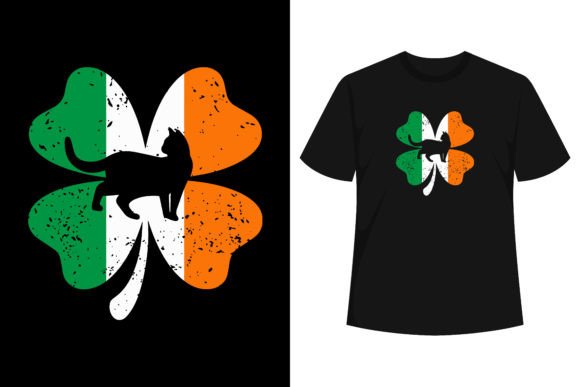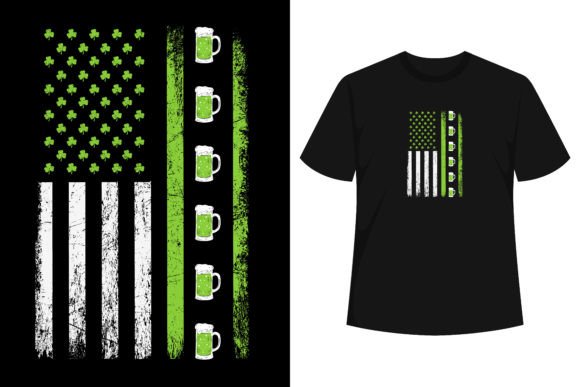
American USA Flag Shamrock Green Clover
First Impression: A Cheerful, Niche-Ready Fusion
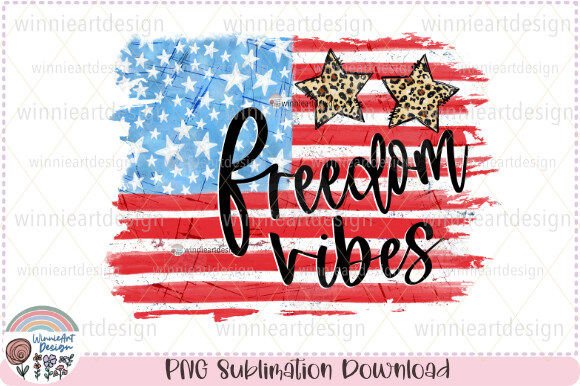
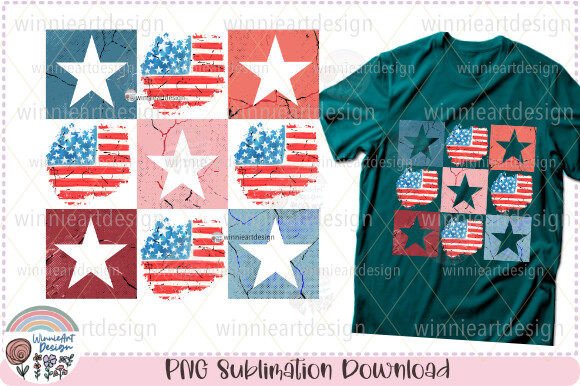
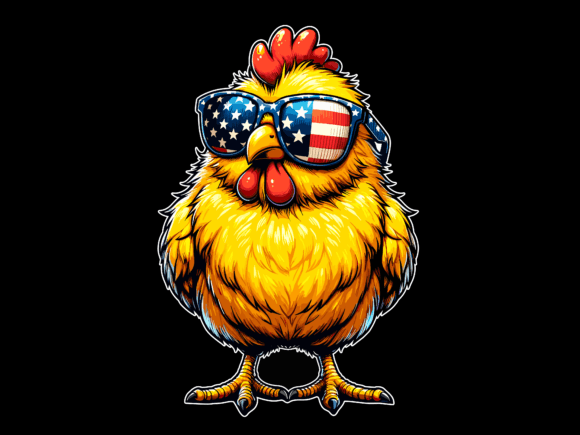
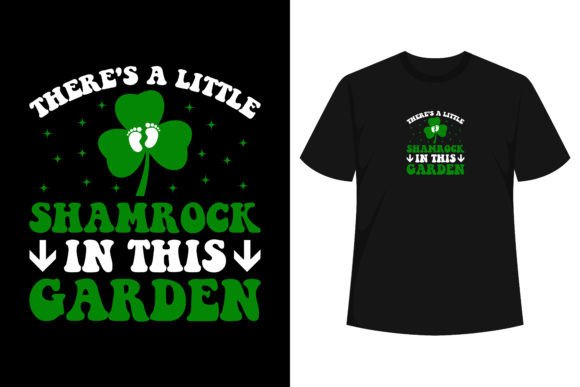
When I opened American USA Flag Shamrock Green Clover, I didn’t see just another holiday mashup—I saw a design with clear intent: friendly patriotism meets lighthearted Irish charm. It’s not overly detailed or fussy, which is refreshing. The flag and shamrock are integrated cleanly—no forced overlap, no awkward scaling—and the green clover feels grounded, not tacked on. As an embroidery designer who’s stitched hundreds of seasonal motifs, I immediately pictured this on a cotton canvas tote for a St. Patrick’s Day farmers’ market booth: approachable, recognizable, and quietly confident.
Where It Shines in Real Embroidery Projects
This design lands best where clarity and warmth matter more than fine artistry. I recently tested a similar layout (though not this exact file) on a midweight unisex sweatshirt—and it held up beautifully. The balanced proportions mean American USA Flag Shamrock Green Clover reads well at 3.5"–4.5" wide, making it ideal for chest placements on tees, left-chest embroidery on aprons, or centered front panels on baby onesies. It also translates smoothly to embroidered patches: the clean outer edges and moderate detail level allow crisp satin stitch borders without excessive thread buildup.
For Etsy sellers and small shop owners, this is a smart “bridge design”—it fits both U.S. Independence Day and St. Patrick’s Day calendars, letting you stretch one digital embroidery file across two key selling windows. I’ve used comparable graphics on kitchen towels and tea towels with excellent results: the motif stays legible after repeated washing, and the green-and-red-white-blue palette pops against natural linen or oatmeal cotton without needing heavy underlay.
Where Caution Is Needed
Don’t force American USA Flag Shamrock Green Clover into tight spaces or tricky surfaces. On curved cap fronts or structured trucker hats, the flag’s horizontal stripe alignment can distort unless digitized with careful pull compensation—something this listing doesn’t confirm. Likewise, avoid hooping it smaller than 3" on textured fabrics like terry cloth or fleece: the clover’s inner veins and flag stars may blur or stitch inconsistently. And if you’re planning baby embroidery on thin interlock knit, test stabilizer first—lightweight tear-away alone won’t prevent puckering around the clover’s rounded edges.
Also worth noting: while the design reads clearly on light fabric, its contrast drops noticeably on dark navy or charcoal heather. If you plan to offer it on black sweatshirts or deep-green totes, run a black-and-white mockup first. You’ll likely want to adjust thread colors—maybe swap standard kelly green for a brighter emerald or add a subtle white outline to lift the clover from the background.
Design Integrity & Customer Trust
What makes American USA Flag Shamrock Green Clover feel trustworthy—not gimmicky—is its restraint. There’s no glitter effect, no cartoonish grin on the clover, no forced slogan. That matters when you’re building a handmade product line: customers respond to sincerity in execution. When stitched neatly on a linen pillow cover or organic-cotton apron, it reads as intentional, not algorithm-driven. That builds quiet professionalism—especially for boutique branding or personalized gifts where buyers expect cohesion, not clutter.
That said, don’t assume automatic commercial rights. The listing mentions “Print On Demand custom t-shirt designs” and “T-Shirt Designs” category—but never clarifies licensing for embroidery use or resale of finished items. As a craft business owner, I’d verify that before listing embroidered patches or monogrammed sweatshirts on Etsy. A single unclear clause could risk your shop’s standing.
Practical Designer Notes Before You Stitch
- Always test on scrap fabric first—especially if using rayon or polyester threads, which behave differently on cotton vs. blends.
- Check stitch density: Overly dense fill areas (like thick flag stripes) can cause stiffness on lightweight garments. Look for smooth transitions between satin and fill stitches.
- Confirm hoop size compatibility: If your machine maxes out at 4" x 4", ensure the design fits comfortably within that—no trimming corners or sacrificing star detail.
- Inspect small details: Zoom in on the clover’s center and flag stars. Are they fully digitized—or just implied outlines? Faint details vanish in stitching.
- Try grayscale mockups: This reveals contrast issues faster than color previews, especially for dark-fabric applications.
- Match stabilizer to fabric weight: Medium cutaway for knits, lightweight tear-away for stable wovens, and fusible + tear-away for delicate baby items.
- Review thread color suggestions: The “green clover” implies a specific hue—but dye lots vary. Order physical swatches if consistency matters for your brand.
Final Thought: A Thoughtful Niche Asset, Not a Quick Trend
American USA Flag Shamrock Green Clover isn’t revolutionary—but it’s reliably useful. In my studio, it joins a shortlist of graphics I reach for when clients ask for “something cheerful but not childish, patriotic but not loud, Irish but not cliché.” It works because it respects the embroidery process: no tiny text to drown in satin stitch, no fragile tendrils that snag in washing, no visual noise competing for attention. For embroidery designers, Etsy sellers, and small shop owners building real inventory—not just digital filler—it’s a grounded, adaptable asset. Just remember: great embroidery starts with smart selection, not just speed. Test it. Touch it. See how it moves on fabric. Then let it earn its place in your next handmade product, holiday gift, or small-batch merchandise drop.